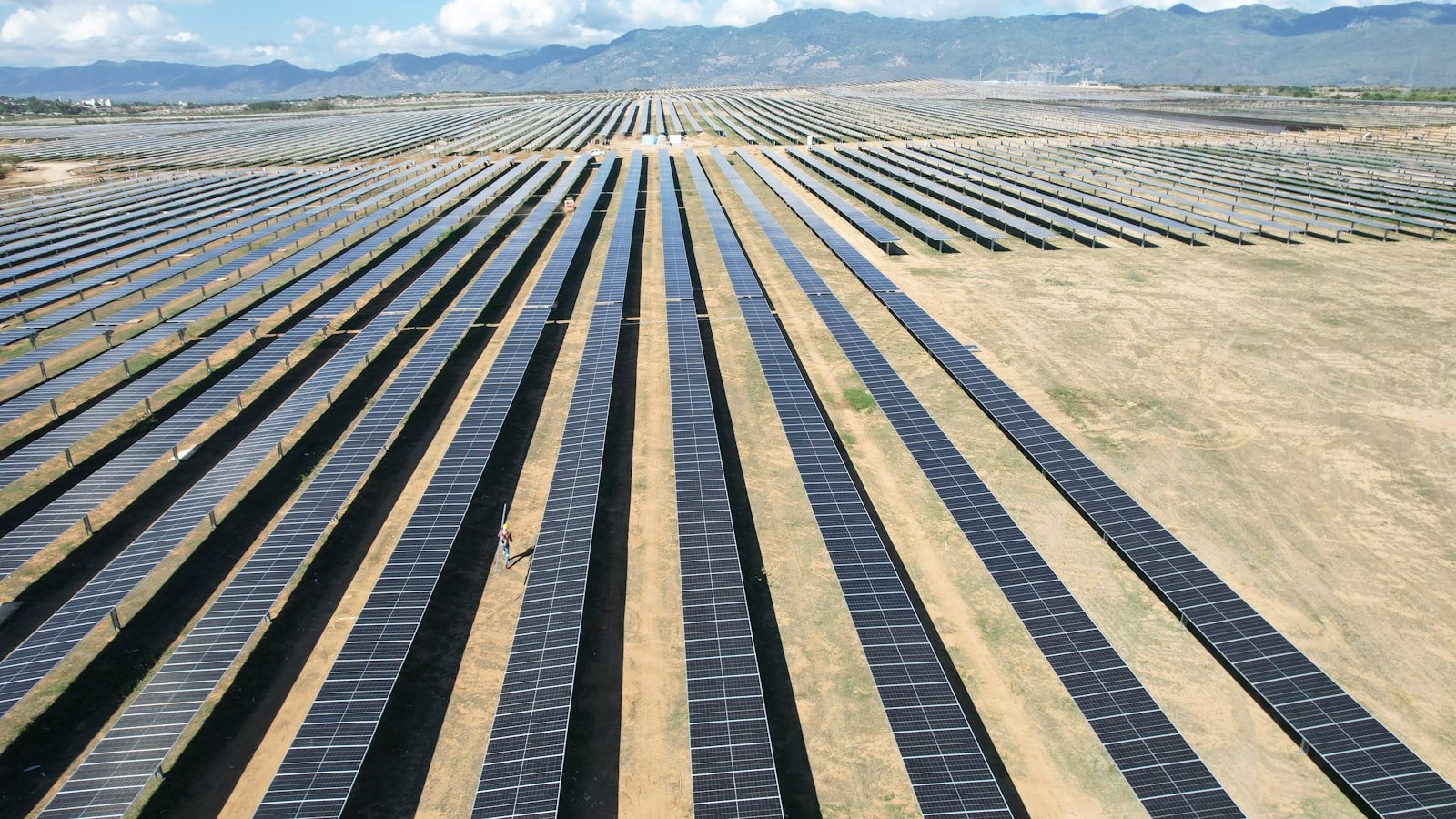
A lot of commercial and utility-scale solar plants operate really below their expected output. Now, if you’re thinking that expanding plant capacity will maximise solar generation, then you’re wrong. Mainly there are avoidable losses caused by soiling, equipment issues, delayed maintenance, or inconsistent operational practices reducing energy production. Here this guide shares practical ways plant owners, asset managers, and O&M teams can identify these losses and improve generation from already available solar assets.
Even the well-designed solar plants can experience performance losses as they get old and operating conditions change. Also, the small problems that aren't noticed for weeks or months can slowly stop energy production. It’s very important for plant owners and O&M teams looking to improve output and reduce solar plant losses without expanding system capacity to understand where these losses occur.
Following are the common factors that can affect energy generation:
Dust and soiling that limit the amount of sunlight reaching the modules
Undetected equipment faults that continue impacting performance over time
Inverter inefficiencies that reduce energy conversion effectiveness
Module mismatch that causes some strings to underperform
Shading from vegetation growth or nearby obstructions
Delayed maintenance actions that allow minor issues to escalate
Inconsistent O&M practices that create avoidable performance gaps
The first step to maximising solar generation is identifying where these losses exist. Once the underlying causes are understood, plant owners can prioritise actions that deliver the greatest operational impact.
These practical steps can help commercial and utility-scale plants reduce avoidable losses and extract more energy from existing assets.
Instead of following some schedule, cleaning panels should depend on how dirty they are. As dust levels can change based on the season, weather or ongoing things. So cleaning your solar panels at the right time with the right products can really help you increase solar energy production without paying for extra repairs.
The performance ratio of a solar panel tells how well it is working in real operating situations. Here, keeping regular check on PR can help you find even the slight losses that aren’t obvious. Also studying metrics can help improve the performance ratio of solar power plan operations, getting better by showing problems that need fixing.
Thermographic checks are an important part of a solar plant inspection programme. They can search parts that are overheating or issues that are increasing before they become serious problems. As early detection of these problems helps to reduce generation losses and avoid unexpected failures.
Mismatch losses occur when modules or strings produce different levels of output. Even the smallest differences can impact on the performance of the whole system. Finding and fixing underperforming strings recovers lost generation and increases efficiency.
Inverters convert the solar energy into usable electricity for the grid. Being down or efficient operation can result in reduced plant output. “Regular monitoring means we can pick up problems earlier and generation is more stable.”
Shading in large solar plants can develop over time due to vegetation growth or nearby obstructions. Not just that even little shading can reduce the result of strings and modules that are connected. With routine site review you can get help in fixing the issues before it affects ROI.
A structured solar plant maintenance program can help you prevent small issues from becoming major failures. But delayed maintenance can often lead to downtime and heavy repair costs. Here following planned schedules will help things run smoothly while keeping the energy production maintained.
Operators can get more out of plant data with the help of performance analytics. With that, they can also find patterns, problems, and places that need urgent focus. This helps the team to focus on the important things rather than the unnecessary ones.
The plant’s O&M procedures are standardised to ensure uniformity in the maintenance activities. Clear processes help ensure that no steps are missed and that execution is even. This improves the reliability and quality of daily operations.
The O&M teams that is well trained can find and solve the issues in a matter of time. With that, troubleshooting and maintenance decisions are improved with practical experience and continuing training. Solar plant performance is enhanced by teams with the right tools.
Practising every suggested improvement at once may not be practical enough, especially across large commercial and utility-scale solar plants. Here the best call will be to focus first on the areas that are most likely to affect generation and build from there to improve solar plant performance over time.
Immediate Priorities
Optimize panel cleaning based on actual soiling conditions.
Conduct hotspot inspections to identify developing faults.
Review inverter performance to minimize avoidable downtime.
Ongoing Improvements
Track Performance Ratio (PR) to monitor plant health.
Use performance analytics to support solar performance optimization.
Follow preventive maintenance schedules consistently.
Long-Term Strengthening
Develop and standardize O&M procedures.
Invest in regular training for O&M teams.
The biggest opportunity to improve your solar plant performance
Often the biggest opportunities to improve solar plant performance are to address the biggest sources of avoidable losses first. And by taking a calculated approach, you can maintain better operational performance and can also generate more reliable power over the long term.
1. How do I know if my solar plant is underperforming?
If you see a reduction in generation, a decreasing Performance Ratio or unexplained discrepancies between expected and actual output, you could be suffering from underperformance. Regular monitoring allows the early identification of such trends.
2. Is expanding plant capacity always the best way to increase output?
Not always. “Many plants can recover lost generation by addressing avoidable performance losses before committing to new capacity or major upgrades.
3. How often should commercial solar plants undergo technical inspections?
The frequency of inspections varies with plant size, location and operating conditions. But the periodic technical assessments allow the identification of emerging issues before they start to have a major impact on generation.
4. Who is responsible for maintaining long-term solar plant performance?
Performance over the long term is a function of plant owners, asset managers and O&M teams working together. Clear responsibilities and consistent operations practices support better results.
Maximising solar generation is an ongoing process rather than a one-time activity. In many cases, meaningful improvements come from identifying and reducing avoidable losses across the plant. And when technical insights and excellent cleaning products are combined with disciplined operational practice. Then commercial and utility-scale solar plants can be looked after with stronger performance while generating more value from existing assets.
Book a free 30-minute consultation with our solar experts — practical insight and real opportunities to improve generation and cut losses.